About Daijokyo Buddhist Temple
Bodhgaya is one of the most sacred destinations in the Buddhist world. It is the place associated with the enlightenment of Gautama Buddha and today welcomes pilgrims, monks, meditation practitioners and travellers from countries across the world.
Over time, Buddhist communities from different nations have created temples, monasteries and spiritual centres in Bodhgaya. These institutions contribute to the town's remarkable international Buddhist identity.
Daijokyo Buddhist Temple is one of the important Japanese Buddhist landmarks in this spiritual landscape. Its architecture and interior reflect a distinctive Buddhist tradition while offering visitors a quiet environment for reflection and prayer.
The temple can also be conveniently included in a wider Bodhgaya sightseeing itinerary along with the Mahabodhi Temple, the Great Buddha Statue, Thai Temple, Japanese Temple and other monasteries.
History of Daijokyo Temple Bodhgaya
Daijokyo Buddhist Temple was established as part of the wider growth of international Buddhist institutions in Bodhgaya. The temple was constructed on land allotted by the Government of Bihar.
The temple was inaugurated on 13 February 1983. Its establishment added another important international Buddhist landmark to Bodhgaya, where temples and monasteries represent different Buddhist communities and traditions from around the world.
Daijokyo Temple also has an important connection with one of Bodhgaya's most recognised landmarks — the Great Buddha Statue, popularly known as the 80-Foot Buddha.
Daijokyo and the Great Buddha Statue
The Daijokyo Buddhist tradition is closely associated with the development of the famous Great Buddha Statue in Bodhgaya, which has become one of the most recognisable landmarks on the Buddhist pilgrimage route.
Today, visitors can conveniently explore both destinations as part of a wider Bodhgaya spiritual and sightseeing experience.
Japanese-Inspired Architecture
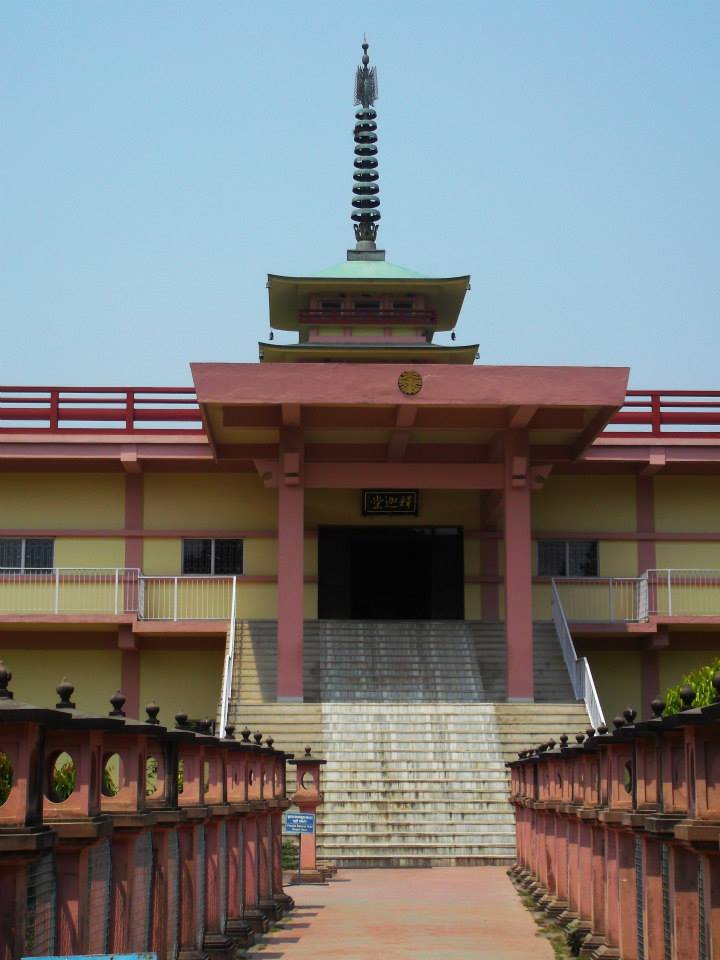
One of the most distinctive features of Daijokyo Buddhist Temple is its architectural character.
The building is a multi-level concrete structure with a pagoda-style upper section inspired by Japanese Buddhist architectural traditions. Its exterior provides a visual contrast to the ancient monuments and different monastery styles found across Bodhgaya.
Pagoda Design
A distinctive Japanese-inspired pagoda structure gives the temple its recognisable architectural identity.
Buddhist Heritage
The temple contributes to Bodhgaya's international network of Buddhist communities and pilgrimage sites.
Peaceful Atmosphere
Visitors can experience a calm environment suitable for quiet reflection and spiritual exploration.
The Bronze Buddha Image
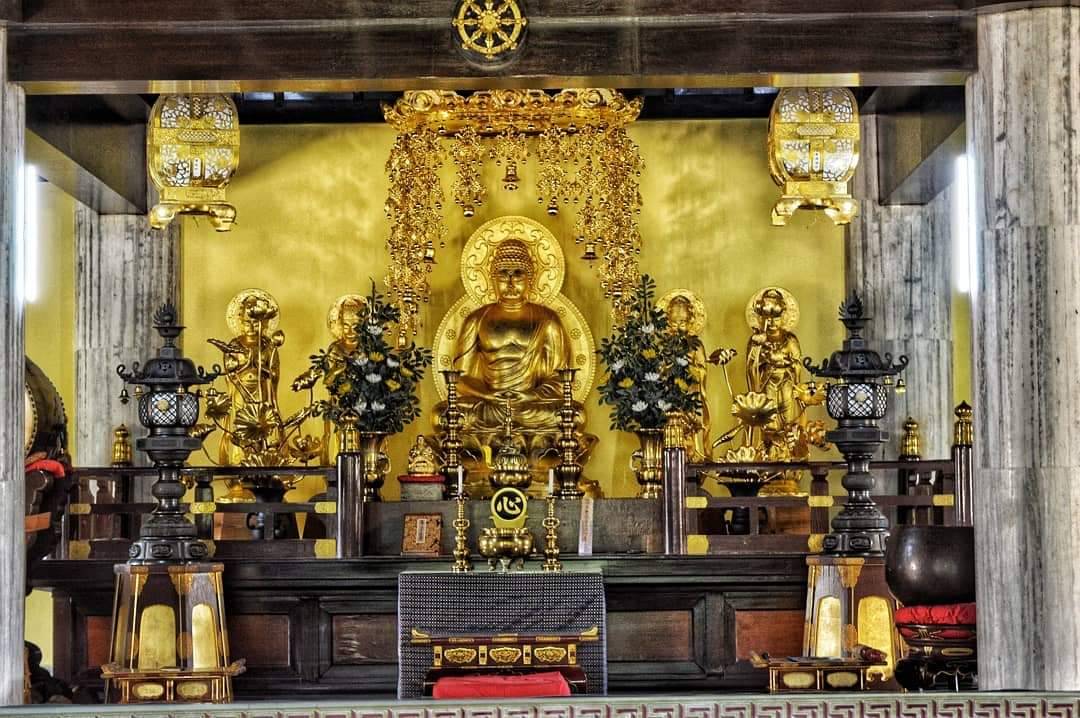
Inside Daijokyo Buddhist Temple, visitors can find a Buddha image in a meditative posture. The bronze image was brought from Japan and forms an important spiritual focus within the temple.
The meditative representation of the Buddha reflects one of the central themes associated with Bodhgaya itself — the journey toward awakening, wisdom and inner peace.
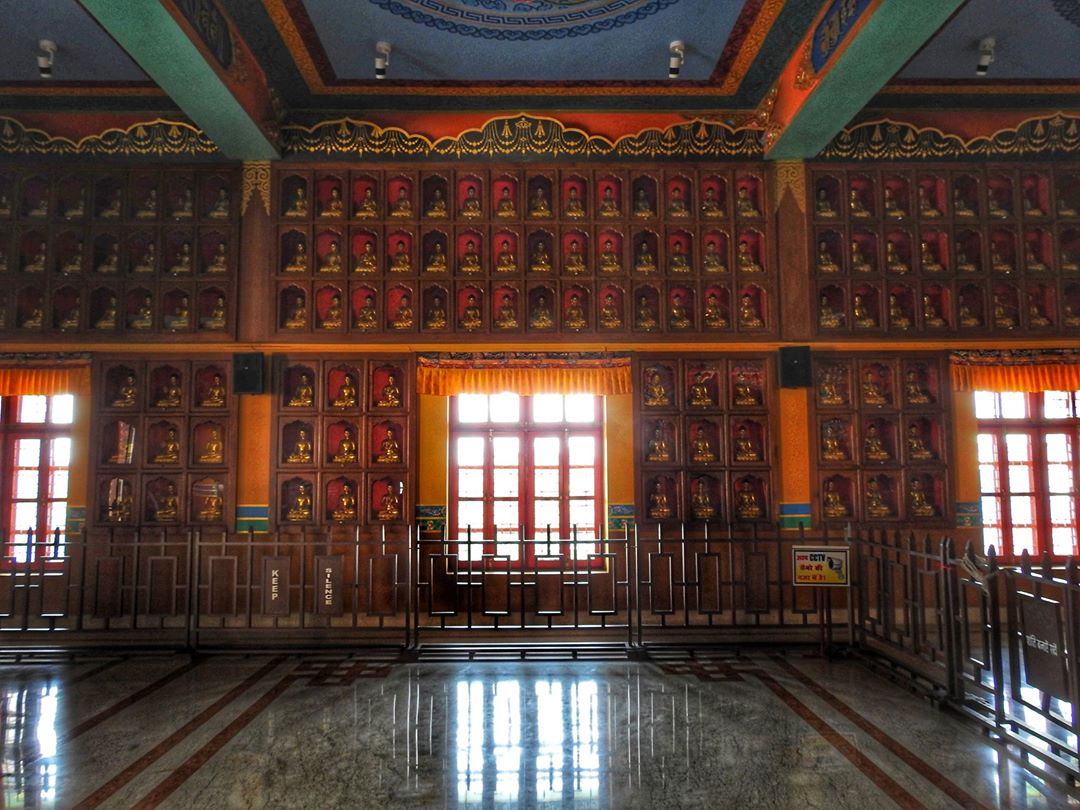
The temple interior combines Buddhist devotional elements, ornamental details and spaces designed to maintain a respectful and peaceful environment.
Spiritual Significance of Daijokyo Temple
Daijokyo Temple is more than an architectural attraction. It is part of the larger spiritual environment that makes Bodhgaya one of the world's most important Buddhist pilgrimage destinations.
For many visitors, travelling through Bodhgaya means experiencing different interpretations and expressions of Buddhist culture. Each temple and monastery adds another perspective to the spiritual heritage of the region.
A visit to Daijokyo Temple offers an opportunity to appreciate the connection between Japanese Buddhist traditions and the sacred land where Gautama Buddha attained enlightenment.
A Meeting of Cultures & Spiritual Traditions
Bodhgaya brings together Buddhist communities from across Asia and the world. Daijokyo Temple is part of this international spiritual landscape, connecting Japanese Buddhist heritage with one of the holiest places in Buddhism.
What to Experience During Your Visit
1. Japanese Buddhist Architecture
Observe the temple's distinctive exterior, including its pagoda-style design and architectural features inspired by Japanese Buddhist traditions.
2. A Peaceful Prayer Environment
Take time to experience the calm atmosphere and maintain respectful silence while exploring the temple.
3. Buddhist Art & Interior Details
The temple interior provides visitors with an opportunity to observe Buddhist imagery, decorative details and devotional spaces.
4. Connection with the Great Buddha
Combine your visit with the nearby Great Buddha Statue, one of Bodhgaya's most popular attractions.
Explore Daijokyo Temple & Bodhgaya With Comfort
Planning to visit Daijokyo Temple, the 80-Foot Buddha, Mahabodhi Temple and other important Buddhist destinations? Travel With Comfort can help you plan a comfortable private sightseeing journey according to your travel schedule.
Visitor Guide for Daijokyo Temple
As Daijokyo Temple is a Buddhist religious site, visitors should maintain respectful behaviour while exploring the premises.
Visitor Etiquette
- Dress respectfully while visiting the temple.
- Maintain silence in prayer and meditation areas.
- Respect monks, pilgrims and other visitors.
- Follow photography instructions where applicable.
- Keep the temple surroundings clean.
- Avoid disturbing people during prayer or meditation.
- Follow any local instructions displayed at the site.
Best Time to Visit Daijokyo Temple
Bodhgaya can be visited throughout the year. However, the cooler months are generally more comfortable for travellers planning to explore multiple temples and attractions during the same trip.
October to March
This period is generally suitable for sightseeing, pilgrimage and exploring Bodhgaya's major Buddhist landmarks.
Early Morning
Starting early can help visitors experience a quieter atmosphere and comfortably cover multiple attractions during the day.
Buddhist Pilgrimage Season
During important Buddhist events and pilgrimage periods, Bodhgaya becomes especially vibrant with visitors and monks from many countries.
How to Reach Daijokyo Temple Bodhgaya
By Air
Reach the Bodhgaya and Gaya region through available airport connections and continue towards your accommodation or sightseeing destinations by road.
By Train
Gaya Junction is an important railway connection for travellers visiting Bodhgaya.
Private Taxi
Book a private taxi and comfortably explore Daijokyo Temple and other major Bodhgaya attractions.
Places to Visit Near Daijokyo Temple
Make your Bodhgaya journey more meaningful by combining Daijokyo Temple with the region's most important Buddhist and historical attractions.
80-Foot Buddha
One of Bodhgaya's most famous landmarks and an important stop on the Buddhist pilgrimage and sightseeing route.
Mahabodhi Temple
The UNESCO-recognised sacred complex associated with the enlightenment of Gautama Buddha.
Thai Temple
Explore Buddhist architecture and Thai cultural heritage during your Bodhgaya sightseeing journey.

Japanese Temple
Discover another important example of Japanese Buddhist heritage and architecture in Bodhgaya.
Plan Your Bodhgaya Sightseeing Tour
Half-Day Bodhgaya Tour
- Daijokyo Buddhist Temple
- 80-Foot Buddha Statue
- Selected Buddhist Monasteries
- Additional nearby attractions
Full-Day Bodhgaya Sightseeing
- Mahabodhi Temple
- Daijokyo Buddhist Temple
- 80-Foot Buddha
- Thai Temple
- Japanese Temple
- Tibetan Monastery
- Other selected Buddhist sites
Extended Buddhist Circuit Tour
Extend your spiritual journey beyond Bodhgaya and explore Rajgir, Nalanda and other important destinations of the Buddhist Circuit.
Why Choose Travel With Comfort?
Explore Bodhgaya without worrying about arranging separate local transport for every destination. Travel With Comfort can help you plan a convenient and customised sightseeing journey.
- Private taxi services
- Airport pickup and drop
- Railway station transfers
- Custom Bodhgaya sightseeing
- Rajgir and Nalanda tours
- Family and group travel
- Flexible travel itineraries
Travel Tips for Your Daijokyo Temple Visit
1. Start Your Tour Early
Begin your Bodhgaya sightseeing journey early to comfortably explore Daijokyo Temple and other major attractions.
2. Dress Respectfully
Bodhgaya is an important international pilgrimage destination, so modest and respectful clothing is recommended while visiting temples.
3. Wear Comfortable Footwear
You may spend significant time walking around temple complexes, monasteries and other sightseeing locations.
4. Maintain a Peaceful Atmosphere
Avoid loud conversations inside religious and meditation areas and respect the spiritual practices of other visitors.
5. Plan Your Transport in Advance
A pre-booked private taxi can help you cover multiple Bodhgaya destinations comfortably according to your schedule.